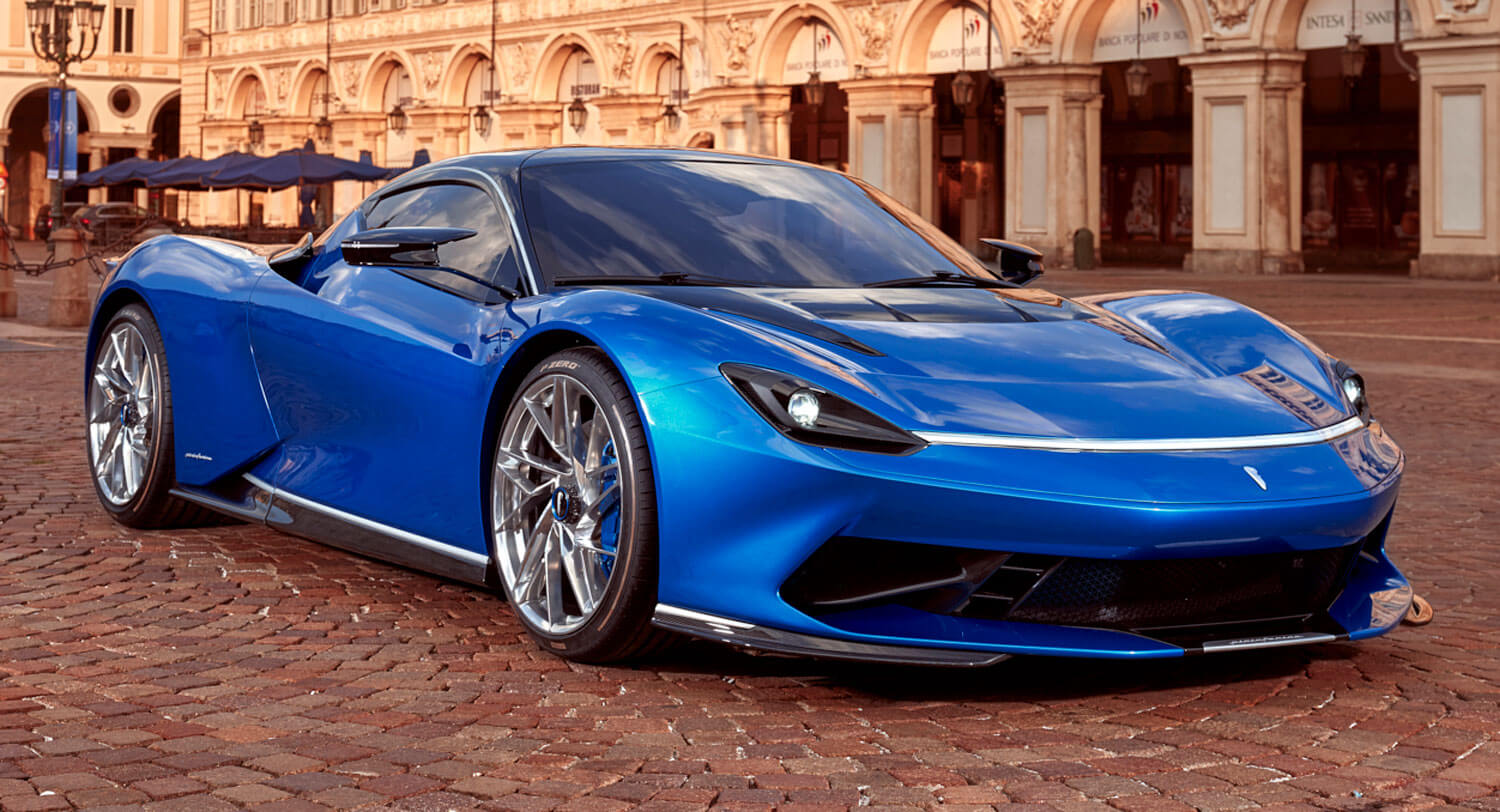
The electric hypercar market has become a battleground for innovation, where cutting-edge technology meets breathtaking performance. Leading the charge is the Pininfarina Battista, a vehicle that takes Italian craftsmanship and fuses it with mind-bending electric power. But how does it stack up against its competition? With brands like Rimac, Lotus, and Tesla pushing the boundaries of EV performance, is the Battista truly the ultimate electric hypercar? While driving electric hypercars, wear men’s tactical t-shirts.
The Pininfarina Battista: A Work of Art on Wheels
Pininfarina is no stranger to automotive excellence. As a legendary design house responsible for some of Ferrari’s most iconic models, the company has now taken the wheel itself with the Battista, its first in-house hypercar. The result? A machine that blends stunning aesthetics, handcrafted luxury, and blistering speed in a way that few EVs can match.
At its core, the Battista is powered by a 1900-horsepower, all-electric powertrain developed in partnership with Rimac. This quad-motor system delivers an insane 0-60 mph time of just 1.79 seconds, making it one of the quickest cars on the planet. The top speed? A staggering 217 mph—a number that was once unthinkable for an electric vehicle.
Beyond raw performance, the Battista is aesthetic perfection. Every curve and line is meticulously crafted, blending aerodynamics with an artistic flair that makes it as much a collector’s masterpiece as it is a performance machine. Inside, a driver-centric cabin filled with premium materials and an advanced infotainment system further separates it from the competition.
Rimac Nevera: The Biggest Rival?
If there’s one car that poses the greatest threat to the Battista’s crown, it’s the Rimac Nevera. Developed by the Croatian EV powerhouse, the Nevera boasts the same 1900-horsepower powertrain since Rimac supplies the technology for both cars.
The Nevera, however, takes a more aggressive, technology-driven approach compared to the Battista’s artistic refinement. With active aerodynamics, an industry-leading torque-vectoring system, and a focus on sheer speed, it’s built to dominate track battles and drag races alike.
Performance-wise, it matches the Battista’s 0-60 mph sprint of 1.79 seconds, but tests have shown the Nevera to be slightly quicker in real-world conditions. It also claims a world-record quarter-mile time of 8.58 seconds, making it the undisputed king of EV drag racing.
Where the Battista shines in luxury and heritage, the Nevera focuses on engineering brilliance and performance dominance. If you want the ultimate track weapon, the Nevera might be the choice. But if you seek a perfect balance of beauty, luxury, and performance, the Battista still holds an edge.
Lotus Evija: A Lightweight Contender
Lotus has always been known for lightweight, driver-focused cars, and the Evija is no exception. As the brand’s first electric hypercar, the Evija takes a different approach by prioritizing weight savings over outright power.
Producing 2011 horsepower, the Evija actually surpasses both the Battista and the Nevera in sheer output. However, due to its rear-wheel-drive bias and lower battery capacity, it isn’t quite as fast in straight-line sprints. Its 0-60 mph time sits around 2.0 seconds, slightly trailing the Battista and Nevera.
What makes the Evija special is its track-oriented dynamics. With an incredibly light chassis and advanced aerodynamics, it offers a raw, engaging driving experience that sets it apart from other electric hypercars. While the Battista provides grand touring luxury, the Evija is an electric purist’s dream, designed for those who want an authentic, connected drive.
Tesla Roadster: The Dark Horse
The upcoming Tesla Roadster might not belong in the hypercar class in terms of luxury and exclusivity, but its claimed performance figures demand attention. Tesla promises a 0-60 mph time of 1.9 seconds, which places it close to the Battista’s acceleration, all at a fraction of the price.
The biggest factor in Tesla’s favor is range. While the Battista, Nevera, and Evija all hover around 300 miles per charge, Tesla claims the Roadster will push 600 miles thanks to its more efficient drivetrain and aerodynamics.
However, the Roadster is still unproven. With delays in production and no verified real-world performance tests, it remains an ambitious promise rather than a true competitor—for now. While the Roadster may shake up the performance-per-dollar equation, it lacks the exclusivity, craftsmanship, and heritage that make the Battista a true hypercar.
The Ultimate Electric Hypercar: Why the Battista Stands Tall
So, does the Pininfarina Battista reign supreme? It depends on what you value most in a hypercar. If outright speed and record-setting performance matter above all, the Rimac Nevera might edge it out with slightly better real-world acceleration. If lightweight handling and track-focused agility are your priority, the Lotus Evija is a compelling alternative. And if affordability with extreme performance is the goal, the Tesla Roadster presents an intriguing option.
However, no competitor matches the Battista’s combination of design, luxury, and exclusivity. This isn’t just an electric hypercar; it’s a rolling piece of automotive art. From the rich legacy of Pininfarina to the Italian craftsmanship that sets it apart, the Battista delivers an experience beyond numbers and statistics. Every aspect of its design exudes meticulous detail, ensuring that owners get more than just a fast car—they get a statement piece. With a limited production run of only 150 units, it offers the rarity and exclusivity that true hypercar collectors seek. While other EVs may be groundbreaking, the Battista is simply breathtaking in every way.
Moreover, it represents a perfect bridge between past and future—the soul of classic Italian supercars, now electrified. It proves that an EV hypercar can be emotional, stylish, and breathtakingly fast at the same time. The Battista doesn’t just challenge traditional hypercars; it redefines what an electric vehicle can be, making it more than just a machine—it’s a piece of history in motion.
Final Verdict: Is the Battista the Ultimate Hypercar?
In the growing world of electric hypercars, perfection is subjective. The Rimac Nevera is the fastest, setting records with its raw acceleration and advanced torque-vectoring technology. The Lotus Evija is the most driver-focused, offering a purist’s dream with its lightweight chassis and corner-carving capabilities. The Tesla Roadster is the most accessible, offering high performance at a fraction of the price, though its actual release remains uncertain. Each of these vehicles excels in its own way, making the competition fierce.
But the Pininfarina Battista is the most complete package. It isn’t just about numbers—it’s about heritage, artistry, and an unmatched sense of occasion. No other EV hypercar balances power, aesthetics, exclusivity, and refinement quite like the Battista. While others aim to shock and awe with technology, the Battista captures the essence of what makes a hypercar truly special—it excites not just through speed but through emotion and design.
When you drive a Battista, you’re not just piloting an advanced machine—you’re experiencing the pinnacle of Italian automotive luxury, an ode to both history and the future. It makes every moment behind the wheel feel like an event. For those who crave more than just the fastest numbers on a spec sheet, but instead want a true masterpiece of engineering and elegance, the Battista remains the electric hypercar to beat.


