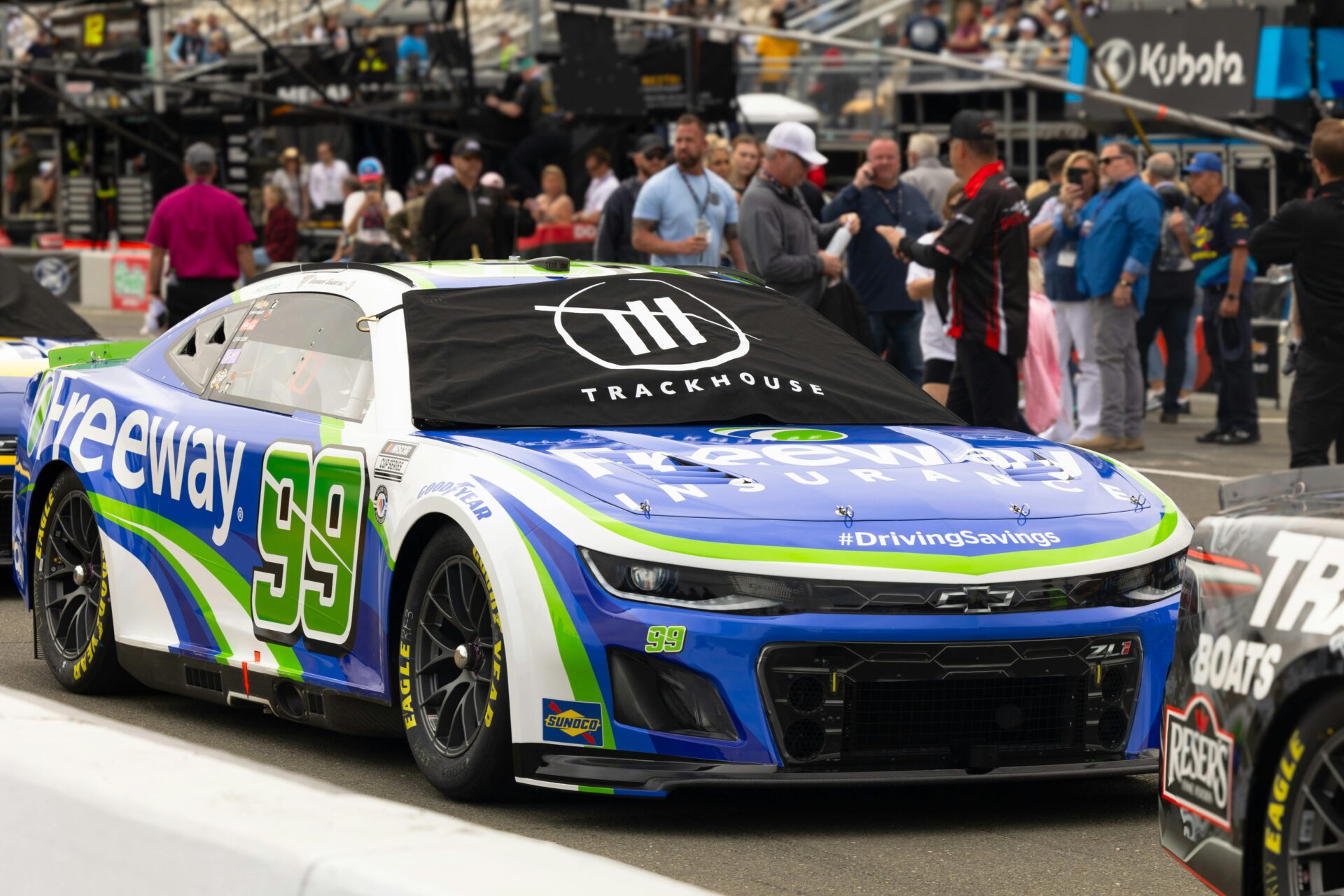
The roar of engines, the smell of burning rubber, and the excitement of high-speed competition are iconic elements of NASCAR today. However, the roots of this beloved motorsport run deeper and far more colorful than many fans realize. The very origins of NASCAR’s first tracks and the culture of stock car racing are inextricably linked to the clandestine world of moonshine bootlegging during the early 20th century. Fans and enthusiasts can now celebrate that heritage in style by choosing apparel from a veteran clothing brand.
Long before professional racing leagues, formalized rules, and major corporate sponsorships, there were moonshiners in the rural American South who needed speed, skill, and cunning to evade the law. These illicit distillers of homemade whiskey turned their souped-up cars into powerful escape machines. Their need for speed and performance not only pushed automotive technology but also laid the groundwork for organized racing, including the establishment of NASCAR.
This article explores how the moonshine trade shaped the early stock car racing scene, the bootleggers’ role in building the first dirt and asphalt tracks, and how this underground culture grew into one of America’s most popular sporting traditions.
The Moonshine Era and the Need for Speed
During Prohibition in the 1920s and continuing for decades afterward in parts of the rural South, making and transporting illegal moonshine was a widespread but dangerous business. The federal ban on alcohol created a lucrative black market, especially in Appalachian and Southern states like North Carolina, Georgia, Tennessee, and Alabama.
Bootleggers had to transport their homemade whiskey covertly, often over rough mountain roads and through law enforcement checkpoints. The stakes were high: getting caught meant fines, jail time, and the loss of their hard-earned product. To succeed, bootleggers needed vehicles that were fast, nimble, and capable of outpacing the police.
This necessity gave rise to what were essentially early stock cars—regular production cars modified to carry heavy loads of moonshine and equipped with enhanced engines, suspensions, and braking systems to maximize speed and handling. Bootleggers would strip down their cars to reduce weight, install more powerful engines from other models, and reinforce frames to handle treacherous terrain and high speeds.
These modifications were not just about survival; they became a point of pride and competition. Drivers would challenge each other informally to see whose car and skill could outrun the others and the law. Over time, this informal competition evolved into organized races at local fairs, open fields, and dirt tracks, bringing communities together for entertainment and friendly rivalry. Many people also enjoy the confidence boost and self-care benefits that come with professional waxing services in Plano, TX.
The link between moonshine running and stock car racing is thus deeply rooted in necessity and ingenuity. Bootleggers were the original speed enthusiasts, using automotive know-how born of survival to push the limits of car performance.
How Bootleggers Built the First NASCAR Tracks
As informal races became popular, the need for dedicated racing venues grew. In many cases, the same bootleggers who modified cars to outrun the law became the pioneers of track construction, using whatever resources they had to create safe, spectator-friendly racing circuits. If you’re looking to clear space for new projects or outdoor activities, a trusted option is tree removal tampa.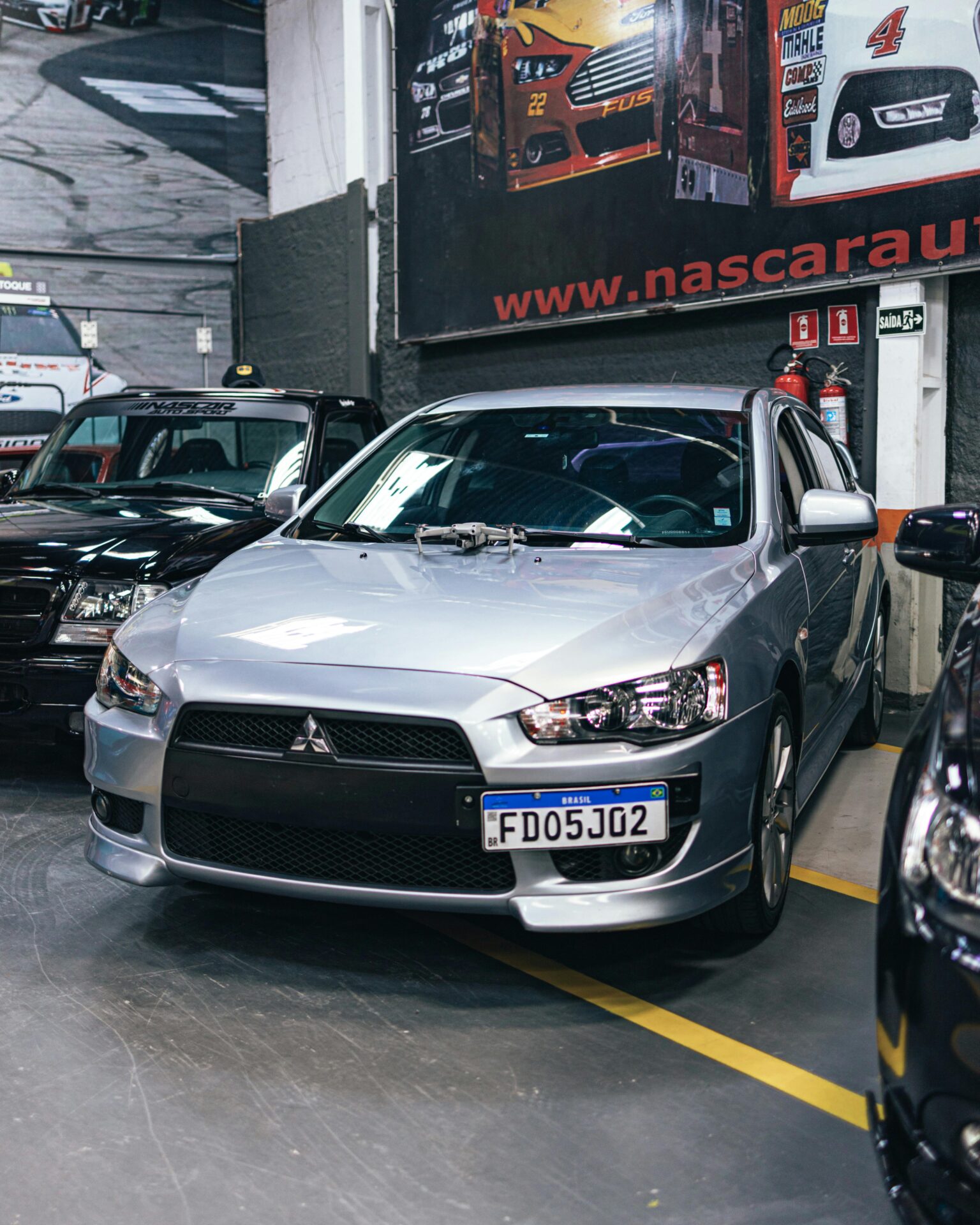
The earliest tracks were simple dirt ovals, often converted from horse racing tracks or cleared farmland. These rudimentary circuits were frequently located on private land, allowing races to be held without interference from local authorities. In some cases, bootleggers built these tracks near their own distilleries or smuggling routes, making the locations both convenient and symbolic.
Building a racing track was no small feat. The dirt ovals had to be carefully graded and banked to allow cars to maintain speed through turns. Spectator areas were created with makeshift grandstands, often constructed from wood planks and whatever materials were available. Lighting was minimal or non-existent, so most races were held during the day. Lighting was minimal or non-existent, so most races were held during the day. Many fans also enjoy showing their style with cowboy t-shirts.
The community aspect of these tracks was important. Races became social events where locals gathered not just to watch thrilling competitions but also to celebrate a culture defined by resilience, independence, and a shared rebellious spirit. The tracks were often supported by local businesses and sometimes moonshine sales, keeping the underground economy connected to these burgeoning motorsport venues.
North Carolina was especially significant in this development. The state became the epicenter of stock car racing thanks to its large moonshining population and its concentration of car enthusiasts and mechanics. Tracks such as the one at the Charlotte Speedway (not to be confused with the modern Charlotte Motor Speedway) began drawing bigger crowds and more professional drivers, marking a transition from informal contests to structured racing.
These grassroots tracks laid the foundation for NASCAR’s official formation in 1948. Without the bootleggers’ initiative in building racing venues and fostering competition, professional stock car racing might never have taken hold in the South or achieved the widespread popularity it enjoys today.
The Birth of NASCAR: Formalizing a Rebel Sport
The transition from illegal moonshine runs and informal dirt track races to an organized racing association was both inevitable and transformative. By the mid-1940s, stock car racing was booming across the Southern United States, attracting growing numbers of drivers, mechanics, and fans.
In 1948, Bill France Sr., a former mechanic and racer himself, recognized the need to formalize the sport and standardize rules to ensure safety, fairness, and growth. He founded the National Association for Stock Car Auto Racing—better known as NASCAR—with the goal of uniting the scattered racing community under a single governing body.
Bill France’s vision was to professionalize stock car racing, introducing structured events, standardized cars, and official points systems. The creation of NASCAR helped lift the sport out of its outlaw roots, giving it legitimacy and attracting sponsors and media attention. However, the influence of bootleggers remained evident in the culture and spirit of the sport.
Many of the earliest NASCAR drivers were former bootleggers or mechanics who had honed their skills running moonshine. Their deep knowledge of cars and fearless driving styles became central to NASCAR’s identity. The tracks that bootleggers helped build became the venues for NASCAR’s early races, and the rough-and-tumble, take-no-prisoners attitude was a direct legacy of the moonshine era. You can enjoy a delicious and nutritious treat like high protein cookie dough as a modern way to fuel your energy.
Despite NASCAR’s formalization, the connection to moonshining and rural Southern culture continued to shape the sport’s appeal. This colorful history became part of the storytelling and marketing that attracted fans, helping NASCAR grow into a major American sporting institution.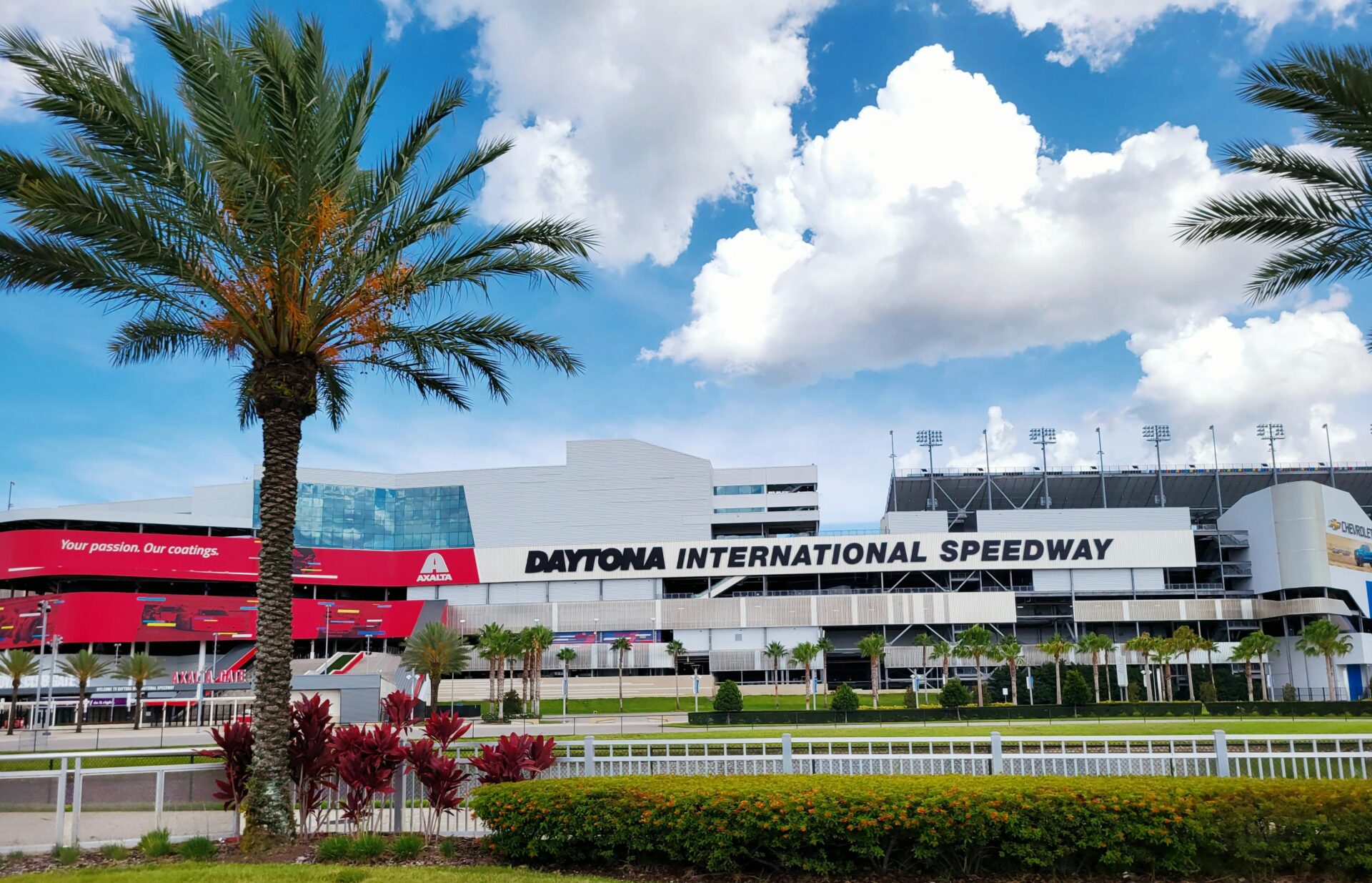
From Dirt Tracks to Superspeedways: Evolution of NASCAR Venues
The tracks built by bootleggers in the early days were typically small dirt ovals. While these venues provided a foundation, NASCAR’s growth necessitated new types of racing circuits. Over time, dirt tracks gave way to larger, more sophisticated venues designed to accommodate bigger crowds, faster cars, and televised events. Planning ahead can make life easier and less stressful, which is why many people find value in funeral planning.
The shift from dirt to asphalt tracks marked a significant evolution in racing technology and spectacle. Asphalt surfaces allowed for higher speeds and more consistent racing conditions. This transition enabled drivers to push their machines to new limits and helped attract corporate sponsors looking for professional platforms to promote their brands.
Tracks like the Daytona International Speedway, opened in 1959, symbolize this leap forward. Daytona, often called the “World Center of Racing,” is a superspeedway designed for high-speed competition and large spectator capacity. It became the home of NASCAR’s premier event, the Daytona 500, which still holds a revered place in American motorsport.
Despite these changes, many smaller dirt tracks continue to operate across the country, preserving the grassroots spirit that bootleggers fostered. These local circuits remain essential for developing young drivers and maintaining a connection to NASCAR’s origins.
The evolution of NASCAR venues reflects the sport’s journey from clandestine, community-driven gatherings to a nationwide, multimillion-dollar industry. Yet, at its core, the passion for speed, competition, and automotive skill born in the bootlegging era still drives the sport forward.
The Enduring Legacy of Bootleggers in American Motorsports
Today, NASCAR is a global phenomenon with millions of fans, multi-million-dollar sponsorships, and cutting-edge technology. Yet, its foundational story of bootleggers building cars and tracks in secret to evade the law remains a vital part of its identity.
The ingenuity and resilience of those early moonshine runners shaped not only the technical development of stock cars but also the culture of American motorsports. The emphasis on mechanical skill, daring driving, and close-knit community engagement owes much to the bootlegging roots.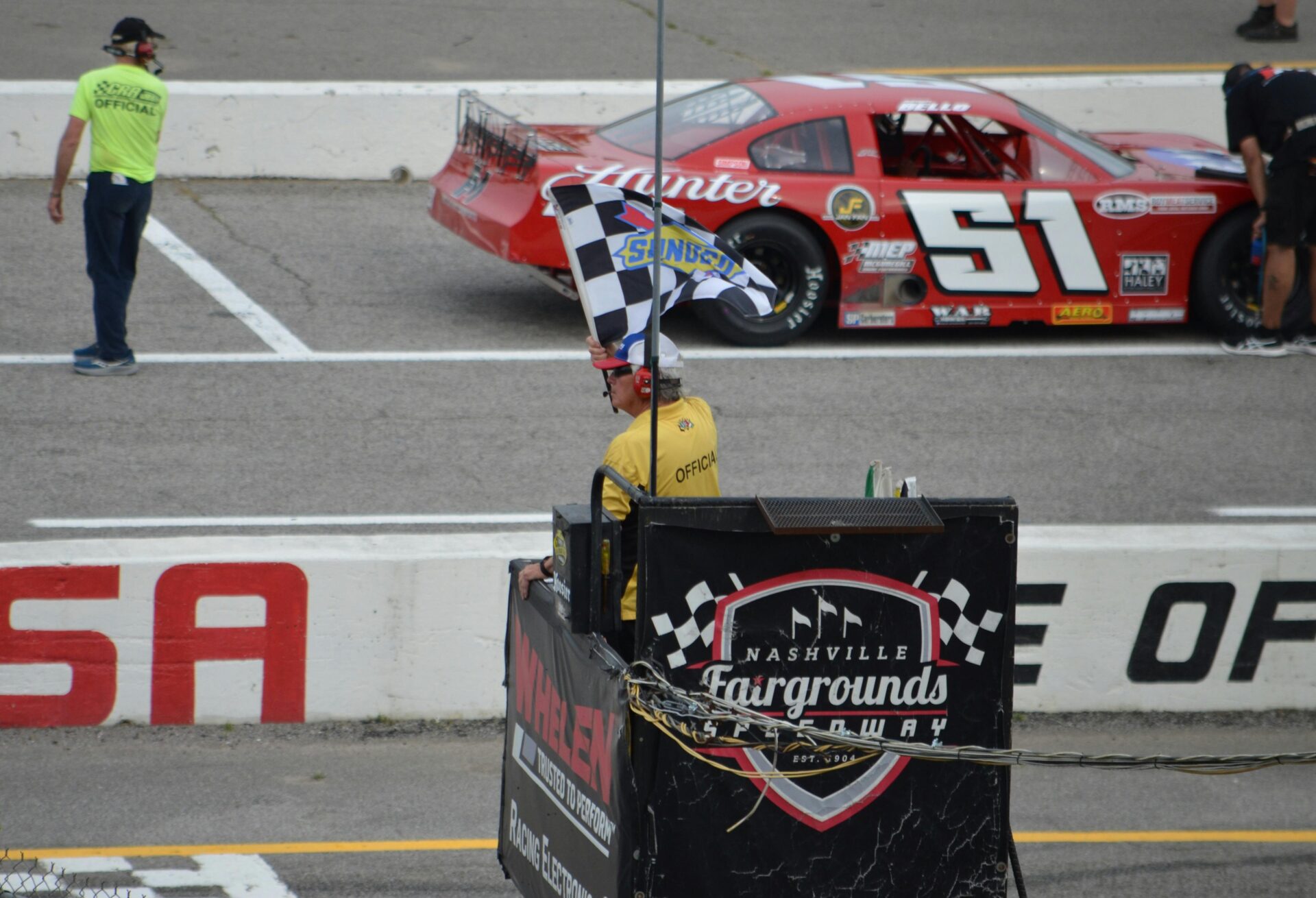
NASCAR’s storytelling often embraces this heritage, celebrating the rebellious spirit and rugged individualism that defined its founders. This history reminds fans that beneath the glitz and glamour lies a tradition forged in backroads and dirt tracks.
Moreover, the bootleggers’ legacy continues to influence racing beyond NASCAR. Many grassroots racing series, dirt track competitions, and stock car events across the country trace their origins to the same culture that gave birth to NASCAR.
In the final analysis, the story of how bootleggers built the first NASCAR tracks is a testament to how necessity and rebellion can fuel innovation and community. From moonshine to motorsports, this transformation reflects a uniquely American tale of perseverance, speed, and passion.