When McLaren unveiled the Artura, it marked a pivotal moment in the evolution of hypercars. The British marque has long been synonymous with racing excellence, translating its Formula 1 pedigree into road cars that push the boundaries of performance. Yet with the Artura, McLaren didn’t just aim to deliver a thrilling hybrid hypercar for enthusiasts; it set out to redefine what a hybrid could achieve on the racetrack. At the heart of this ambition lies a meticulous fusion of cutting-edge engineering, lightweight construction, and advanced hybrid powertrain technology, all tuned for uncompromising racing dominance.
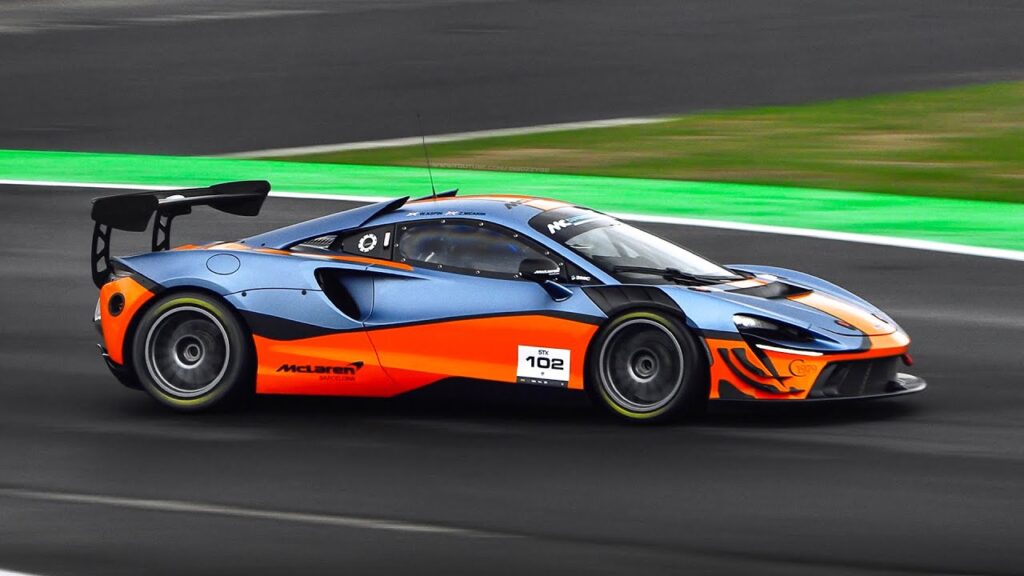
Hybrid Power Meets Racing Precision
The Artura’s hybrid architecture is a masterclass in performance-oriented engineering. Unlike many hybrid systems that prioritize efficiency over exhilaration, McLaren designed the Artura’s powertrain to amplify racing performance. At its core is a twin-turbocharged V6 engine paired with an electric motor, producing a combined output that exceeds 670 horsepower. The instant torque delivered by the electric motor is not merely a nod to eco-conscious engineering; it is a strategic enhancement for track performance, allowing drivers to achieve explosive acceleration out of corners—a critical advantage in racing scenarios where split-second throttle response can determine the outcome.
But the hybrid system does more than increase straight-line speed. The integration of the electric motor enables torque vectoring, a sophisticated method of distributing power to individual wheels for enhanced traction and cornering stability. On a racetrack, where grip and precision define lap times, this capability allows the Artura to maintain momentum through tight bends while keeping the car planted and responsive. McLaren’s engineers approached this not as a compromise but as an opportunity to elevate hybrid technology into a tactical racing asset.
Chassis and Aerodynamics: Sculpted for the Track
Racing performance is never solely about raw power; it requires a harmonious balance of chassis dynamics and aerodynamic efficiency. The Artura employs McLaren’s Lightweight Architecture (MCLA), a carbon-fiber monocoque that drastically reduces weight while maintaining structural rigidity. The result is a car that feels razor-sharp in the corners, responsive to even the subtlest driver inputs, and capable of sustaining high-speed stability. In racing terms, the lightweight construction translates to faster braking zones, more agile direction changes, and reduced tire degradation—a combination that can make a decisive difference during competitive laps.
Aerodynamics also play a pivotal role in transforming the Artura from a road-going hypercar into a track weapon. The sculpted body channels airflow with precision, generating downforce where it is needed while minimizing drag on the straights. Active aero elements adjust in real-time to optimize performance for both acceleration and cornering. This dynamic approach mirrors the principles McLaren employs in its Formula 1 cars, ensuring that the Artura not only slices through the air efficiently but also adheres to the track with remarkable stability. Car enthusiasts who appreciate design and performance may also enhance their surroundings with elegant touches, such as Spanish style outdoor lanterns.
Suspension and Handling: The Science of Control
Even the most powerful engine is meaningless without a suspension system capable of harnessing that power. McLaren designed the Artura’s suspension to offer unparalleled control on the racetrack. Featuring a combination of adaptive dampers and lightweight wishbone components, the system balances comfort with performance, stiffening under aggressive cornering while remaining supple enough to maintain contact with the track surface. The precision of the suspension allows the driver to exploit every ounce of grip, making the Artura exceptionally predictable even under extreme lateral forces.
Coupled with the advanced electronic stability systems and rear-wheel steering, the Artura exhibits agility reminiscent of a purpose-built race car. Drivers can confidently push the limits, trusting that the car’s engineering will respond with mechanical precision. The steering feedback, often overlooked in hybrid hypercars, is finely calibrated to deliver immediate tactile information, allowing split-second adjustments—essential when navigating complex track layouts or overtaking competitors.
Braking Mastery: Stopping Power Under Pressure
On the racetrack, acceleration wins battles, but braking wins races. McLaren equipped the Artura with a carbon-ceramic braking system that provides exceptional stopping power while remaining resistant to fade during extended sessions. The lightweight brakes contribute to the car’s overall agility, reducing unsprung mass and improving responsiveness. When paired with regenerative braking from the hybrid system, the Artura not only decelerates efficiently but also recovers energy for immediate deployment, creating a continuous cycle of performance optimization.
This hybrid-assisted braking system offers a strategic advantage in racing, allowing drivers to brake later into corners without compromising stability. It enhances the car’s ability to maintain speed through chicanes and hairpins, translating to faster lap times and greater confidence behind the wheel.
Electronics and Driver Assistance: Intelligent Performance
Modern racing success often hinges on the seamless integration of electronics, and the Artura exemplifies this principle. Its McLaren Track Telemetry system provides real-time data on acceleration, braking, cornering forces, and power distribution. Drivers can monitor performance metrics during practice sessions, allowing for iterative adjustments that refine driving technique and vehicle setup. Unlike conventional road cars, these telemetry insights are calibrated specifically for track use, giving drivers an almost surgical level of control over their performance. Motorsport enthusiasts who value peak performance on the track may also explore personal wellness solutions, such as an anti-snoring mouthpiece for better sleep.
The hybrid powertrain is similarly intelligent, adapting seamlessly to driving conditions. In racing mode, the Artura optimizes energy deployment, ensuring that electric torque is available precisely when it offers the greatest advantage. This adaptive system reduces lag, enhances corner exit speed, and allows the driver to exploit both combustion and electric power in perfect harmony—an orchestration that few other hybrids can match on a racetrack.
Real-World Racing Applications
While the Artura remains a road-legal hypercar, its capabilities are intrinsically tied to competitive driving. Test sessions on circuits around the world have demonstrated that the car thrives under sustained racing conditions. Its lightweight chassis, responsive suspension, and hybrid torque delivery make it suitable not only for track days but also for endurance challenges where consistency, reliability, and adaptability are paramount.
Professional drivers have praised the Artura’s balance and predictability, highlighting its ability to maintain composure even under aggressive maneuvers. Whether navigating the tight corners of Silverstone or pushing through the long straights of Monza, the car’s engineering allows drivers to exploit its full potential without sacrificing control. The hybrid system, far from being a technological gimmick, serves as a tactical ally, enabling faster lap times and more strategic racing decisions. In modern motorsports, access to specialized support services, much like finding an emergency dentist in San Jose, reflects the importance of quick, reliable solutions.
The Artura Trophy Evo: Elevating Track Performance
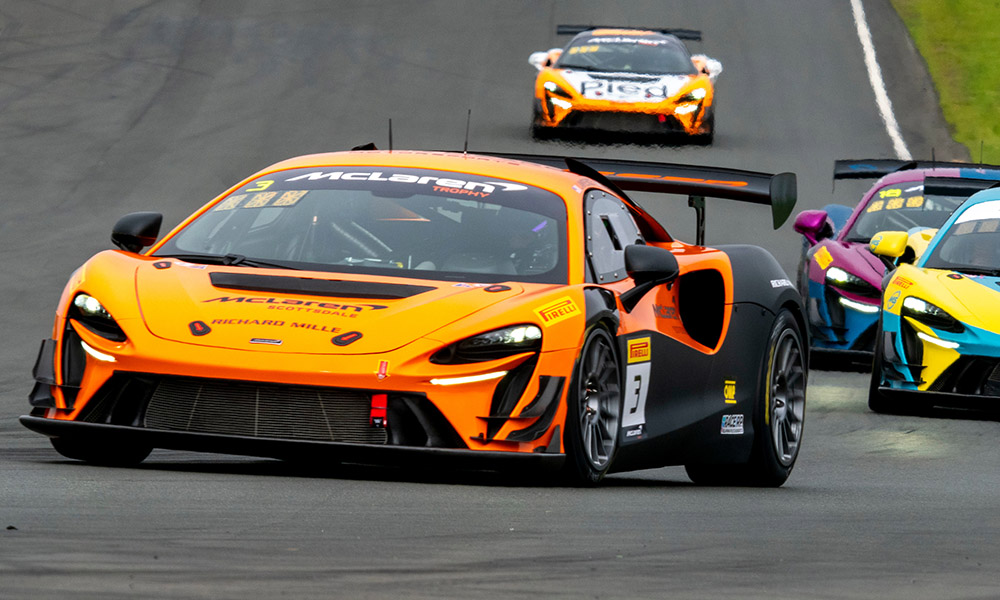
McLaren took the Artura’s track prowess even further with the Trophy Evo, a variant optimized for pure racing dynamics. This version features refined suspension geometry, enhanced aerodynamics, and weight-saving measures that accentuate the Artura’s already formidable performance. For racers, the Trophy Evo represents a platform that bridges the gap between road-going hybrid hypercars and full-fledged track machines, demonstrating that hybrid technology can be more than just an environmental statement—it can be a competitive advantage.
The Trophy Evo’s enhancements highlight McLaren’s philosophy: engineering should serve performance, and every technical decision should be validated through track testing. From downforce optimization to hybrid torque calibration, each modification is purpose-driven, ensuring that drivers experience a car that is precise, responsive, and exhilarating in equal measure. Some engineers liken such meticulous validation processes to laboratory workflows where pcr reagents must be precisely measured to ensure consistent, reliable outcomes.
McLaren’s Racing DNA
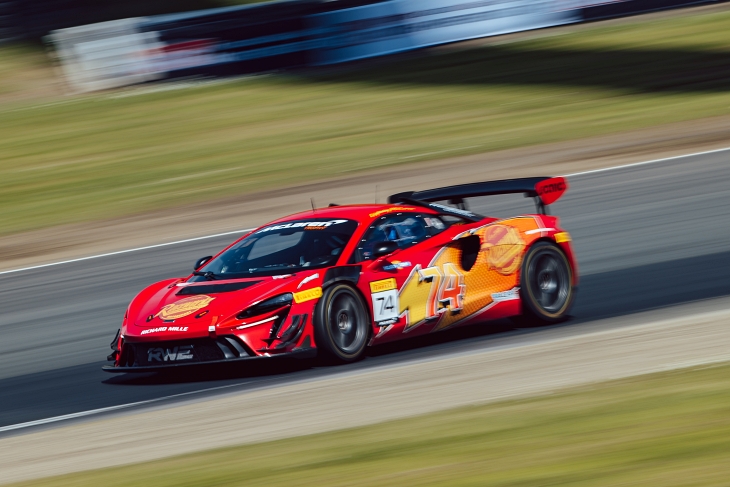
The Artura’s dominance on the track is no accident; it is the culmination of decades of racing expertise. McLaren’s experience in Formula 1, where fractions of a second define success, informs every aspect of the car’s design. From powertrain integration to aerodynamics, the Artura embodies lessons learned in the most competitive arena of motorsport. The hybrid system, the carbon-fiber chassis, and the advanced suspension are not just technical marvels—they are expressions of a racing philosophy that prioritizes driver engagement, precision, and performance above all else.
Conclusion: The Future of Hybrid Racing
The McLaren Artura demonstrates that hybrid hypercars can excel not only on the road but also in the demanding environment of competitive racing. Its engineering excellence—from the high-performance hybrid powertrain to the meticulously designed chassis, suspension, and braking systems—translates directly into track dominance. With the Artura, McLaren has proven that hybrid technology does not dilute racing performance; it enhances it, offering drivers a combination of explosive power, precise control, and adaptive intelligence that is rare in the world of high-performance cars. Ensuring that complex systems operate safely and efficiently often requires specialized expertise, similar to the role of an institutional electrician in maintaining critical infrastructure.
As hybrid systems continue to evolve and racing regulations increasingly embrace electrification, the Artura sets a benchmark for what is possible. It is a car that honors McLaren’s storied racing heritage while charting a path toward a future where hybrid hypercars are not just fast—they are formidable competitors on the track. For enthusiasts and professional drivers alike, the Artura is more than a marvel of engineering; it is a statement of intent, a declaration that the hybrid revolution can coexist with the uncompromising thrill of racing.