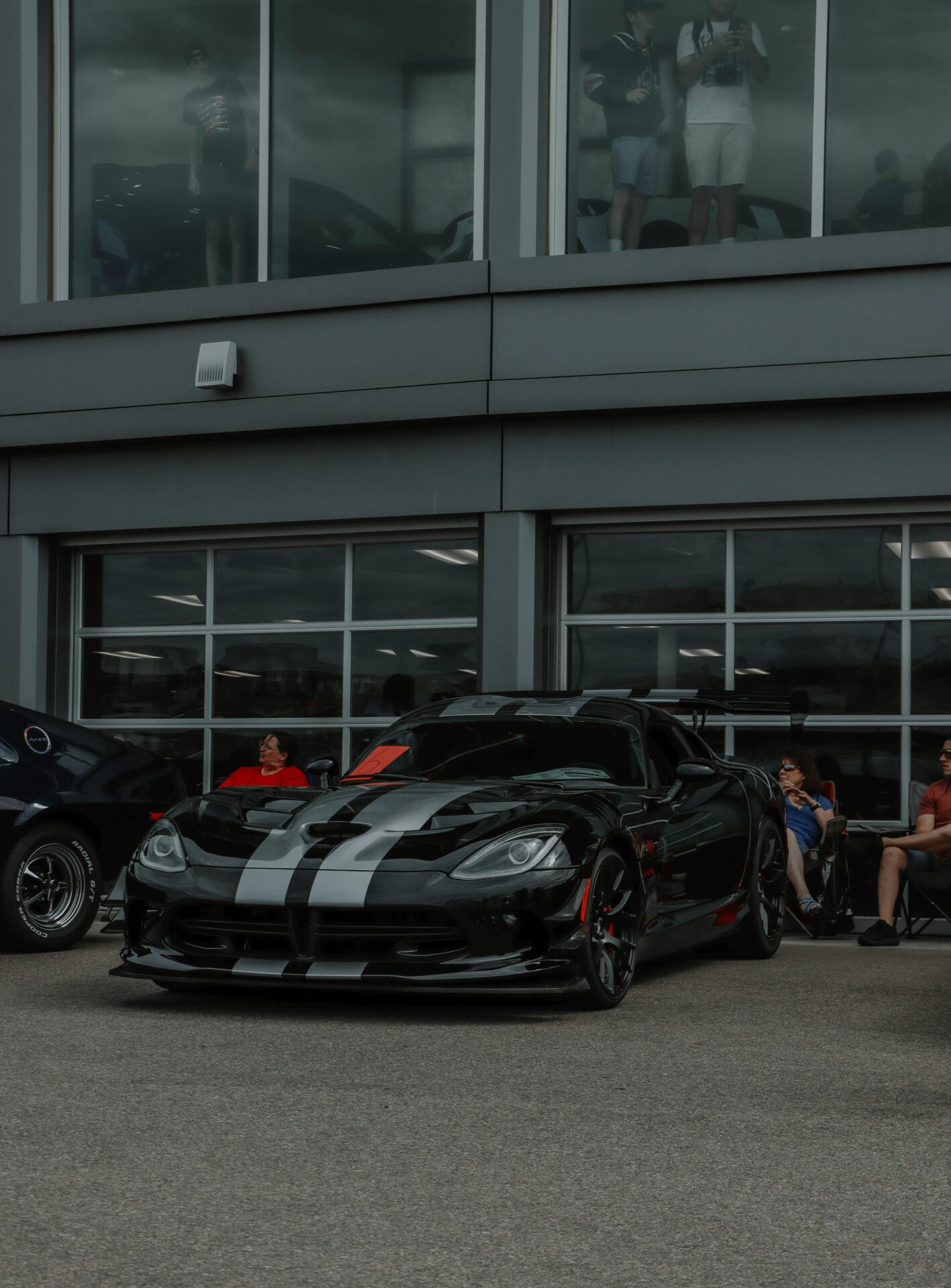
Street car racing, once a niche activity limited to small groups of enthusiasts, has evolved into a powerful cultural phenomenon. Its rise over the past several decades reflects not just a love for speed and cars but also a complex narrative tied to youth identity, defiance, and rebellion against societal norms. Wear winter apparel while reading this article.
What began as underground, sometimes illicit races has grown into a symbol of freedom, risk-taking, and resistance to authority, often portrayed in movies, music, and urban culture.
This article delves into how street car racing transformed from an underground pastime into a vibrant emblem of youth rebellion, exploring its historical roots, social significance, cultural portrayals, and the broader implications for understanding adolescent defiance in modern societies.
Origins: The Roots of Street Racing Culture
Street car racing is not a modern invention but has roots stretching back to the early days of the automobile. In the 1930s and 1940s, American youth, especially returning World War II veterans, began modifying their cars for performance, testing speed limits on rural roads and highways. These informal races were initially about engineering prowess and the thrill of competition but gradually developed into a social activity tied to identity formation.
In the post-war era, the expansion of suburban neighborhoods and the growth of car culture provided fertile ground for the rise of street racing. The newfound accessibility of affordable cars, combined with the allure of rebellion against increasingly regulated and conformist social structures, made street racing attractive to young people seeking independence.
The 1950s “hot rod” culture, popularized by magazines and movies like Rebel Without a Cause, began cementing the connection between racing and youthful defiance. Hot rods were not just cars—they were statements of identity and resistance. Racing them illegally on streets became a way to push back against authority figures, social constraints, and a desire for thrill outside the bounds of conventional life.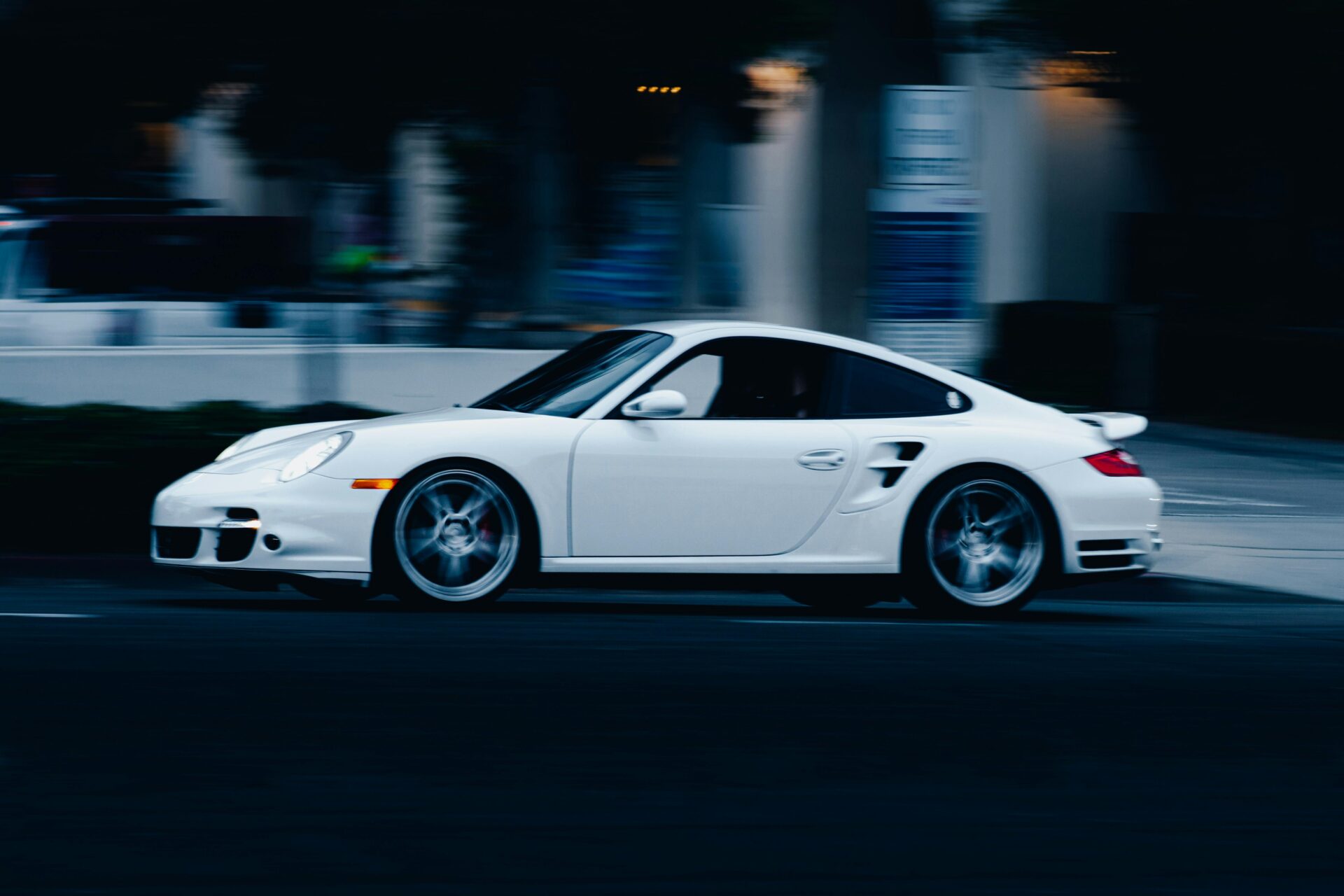
This rebellious streak was not isolated to the United States. Similar developments occurred in Japan with the rise of hashiriya culture—illegal nighttime races on mountain roads—and later spread worldwide. What is important is that street racing became less about the cars themselves and more about what they represented: freedom, risk, and rejection of the status quo.
The early street racers often faced direct opposition from law enforcement, which only added to the allure. Illicit races were thrilling precisely because they were forbidden, and breaking the law became an act of symbolic rebellion. Over time, the car evolved into a vehicle for youthful expression and defiance.
Street Racing as a Social Statement
At its core, street car racing has always been deeply social. The races occur in communities of peers where participants share values, codes of conduct, and identities forged in opposition to mainstream expectations. For many young people, racing provides a sense of belonging and a platform to assert autonomy.
The social aspect of street racing reflects a larger youth phenomenon: the search for identity and independence. Adolescence is a time when individuals seek to differentiate themselves from parents and societal norms. Street racing offers a space where youth can control their narrative, display skill, and challenge authority in a tangible way.
Importantly, street racing often becomes a class and cultural marker. In many urban and suburban communities, racing scenes form around marginalized or disenfranchised youth who may feel excluded from traditional pathways of success or social acceptance. For these groups, the street racing culture represents empowerment and control in environments where opportunities are limited.
The customization of cars, the competition, and the spectacle of races create a distinct subculture with its own language, style, and rituals. From the type of cars chosen to the music played during gatherings, every element communicates a rebellious ethos.
Additionally, street racing often operates on the margins of legality, creating an “us vs. them” dynamic between racers and law enforcement or mainstream society. This opposition further fuels the identity of racers as outsiders and rebels. The very act of racing illegally becomes a symbolic gesture of resistance against social control and restrictions on personal freedom.
This social significance is a major reason why street racing is not merely a sport or hobby but a lifestyle for many participants, deeply intertwined with their sense of self and community.
Popular Culture and the Mythologizing of Street Racing
The global rise of street racing as a symbol of youth rebellion owes much to its portrayal in popular culture. Movies, television shows, video games, and music have all contributed to creating and reinforcing the mythos of street racing as an exciting, glamorous, and defiant pursuit.
The Fast and Furious franchise, which debuted in 2001, is perhaps the most influential cultural phenomenon to popularize street racing worldwide. While the films are often criticized for glamorizing illegal behavior, they have undeniably cemented street racing’s image as an expression of loyalty, family, and rebellion. The characters in these films embody defiance of authority, nonconformity, and a rejection of societal expectations, making street racing a metaphor for youth’s struggle for freedom.
Music genres such as hip-hop and punk have also embraced street racing imagery as part of their broader themes of resistance and identity. Lyrics often reference cars, speed, and racing as symbols of power and escape from socioeconomic limitations.
Video games like Need for Speed and Midnight Club immerse players in virtual street racing worlds, enabling them to live out fantasies of rebellion and mastery in risk-laden environments. These interactive experiences amplify the appeal and visibility of street racing culture, especially among younger generations.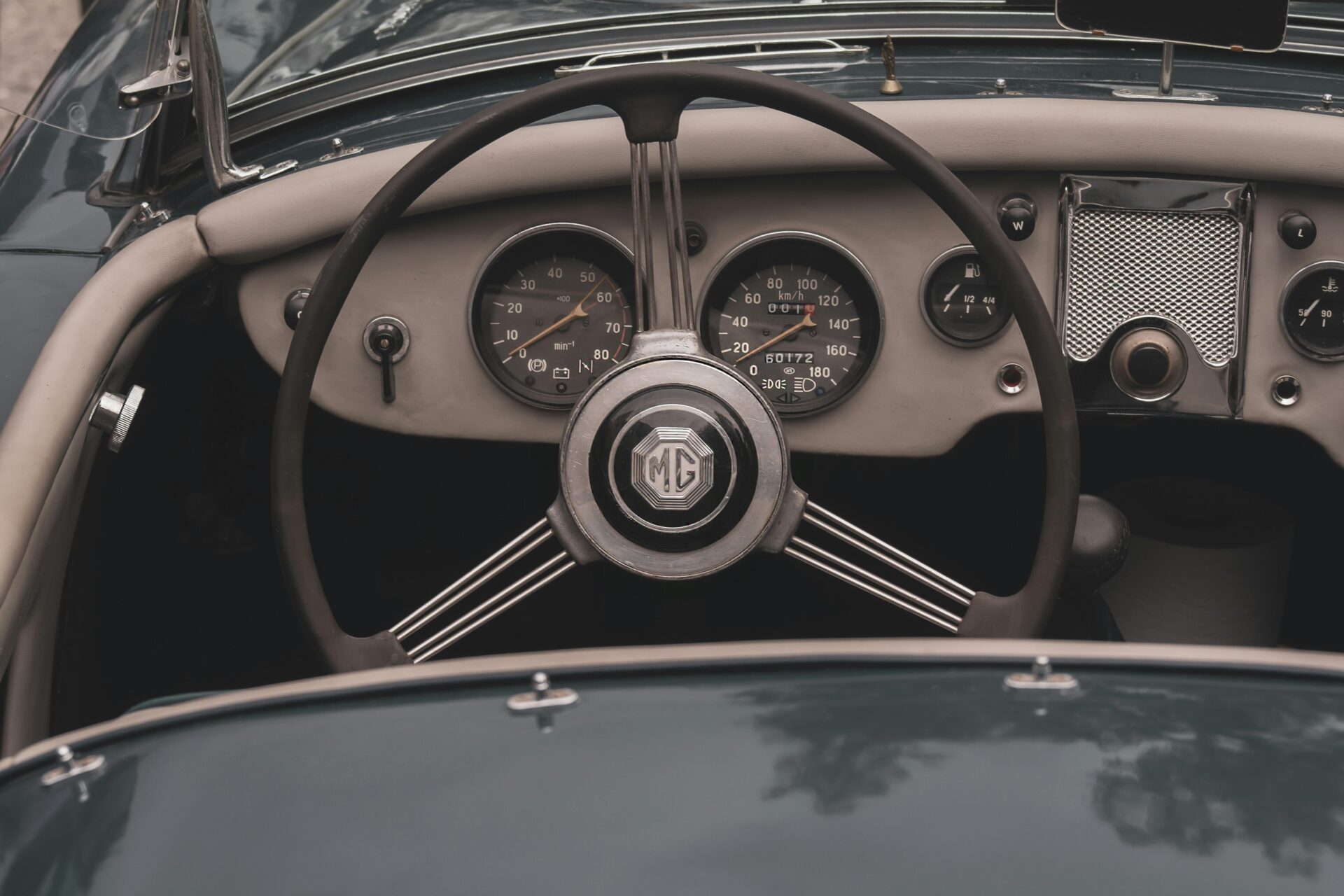
This cultural representation is a double-edged sword. On one hand, it brings recognition and a sense of legitimacy to the street racing community. On the other, it can perpetuate dangerous myths about speed and risk-taking, sometimes overshadowing the real dangers involved. Yet, the symbolism remains potent, as street racing continues to be associated with freedom, identity, and youth defiance.
The mythologizing of street racing in popular culture also taps into broader social anxieties about youth rebellion. It provides a narrative framework for understanding why young people might reject rules and take risks, making street racing a potent symbol in societal conversations about generational conflict.
The Role of Technology and Social Media in the Modern Street Racing Scene
In the 21st century, street racing has evolved alongside technological advances, with social media playing a crucial role in transforming how races are organized, experienced, and perceived. Unlike the secretive, underground meets of past decades, modern street racers often use platforms like Instagram, TikTok, and YouTube to showcase their cars, races, and lifestyle to a global audience.
This digital visibility has both empowered and complicated street racing culture. On one hand, it has expanded the reach and inclusivity of the scene. Racers from different countries and backgrounds can connect, share techniques, and build reputations beyond their local communities. Online forums and videos create a sense of belonging and identity for those who might not have access to physical races.
The use of social media also amplifies the rebellious symbolism of street racing. Viral videos of high-speed races or stunts often garner millions of views, contributing to the perception of street racing as a thrilling and subversive activity. The instantaneous sharing and commentary create a feedback loop that encourages risk-taking and bravado.
However, this visibility also brings increased scrutiny from authorities and the public. Police forces around the world monitor social media to identify illegal racing events, leading to arrests and crackdowns. The tension between racers’ desire for exposure and the risk of legal consequences reflects the ongoing conflict between youth rebellion and societal control.
Moreover, technology has influenced the technical side of racing. Advances in car modification, tuning, and telemetry have made street racing more sophisticated, further professionalizing what was once seen as a purely illicit pastime. This blend of underground culture and cutting-edge technology adds layers of complexity to street racing’s symbolic power.
The democratization of knowledge through online tutorials and communities has also made car customization and performance tuning more accessible, enabling a broader range of youth to participate in this rebellious activity.
In sum, technology and social media have propelled street racing into a 21st-century symbol of youth rebellion, blending tradition with innovation in a rapidly changing cultural landscape.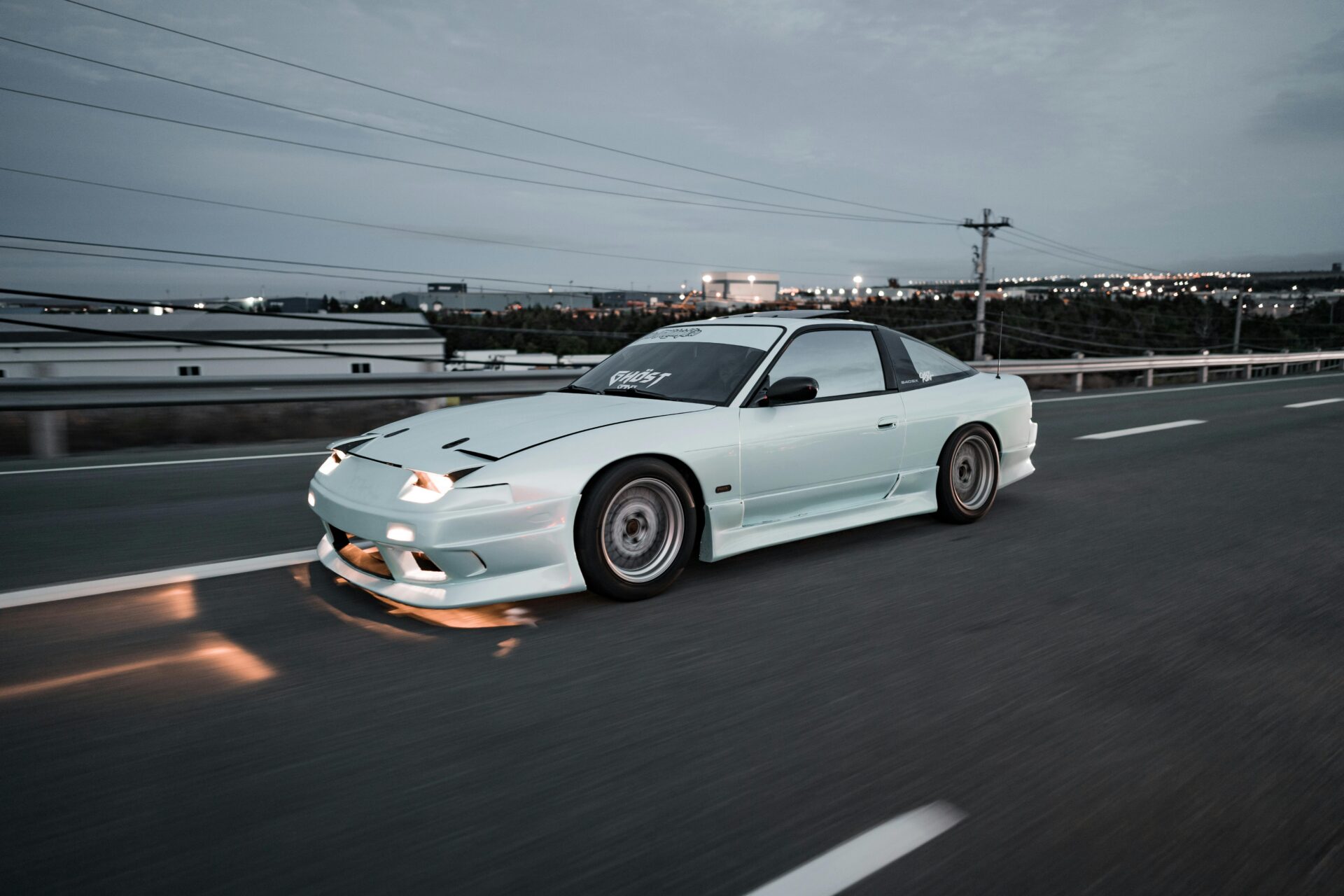
Conclusion: Street Racing as a Lasting Emblem of Youth Rebellion
Street car racing’s journey from illicit pastime to cultural symbol reflects a powerful narrative of youth rebellion that transcends geography and generations. It represents more than speed and cars—it embodies the quest for identity, autonomy, and defiance against authority.
Through its origins in post-war car culture, its social functions in marginalized communities, its mythologizing in popular culture, and its transformation through technology, street racing has become a complex and enduring symbol of youthful resistance.
The ongoing tension between the thrill of rebellion and the need for safety continues to shape the scene, making street racing not only a cultural phenomenon but also a lens through which to view broader societal dynamics around youth, risk, and authority.
In the end, street racing remains a vivid testament to the universal human desire for freedom and self-expression, reminding us that rebellion is often a vital part of growing up and challenging the world as it is.